
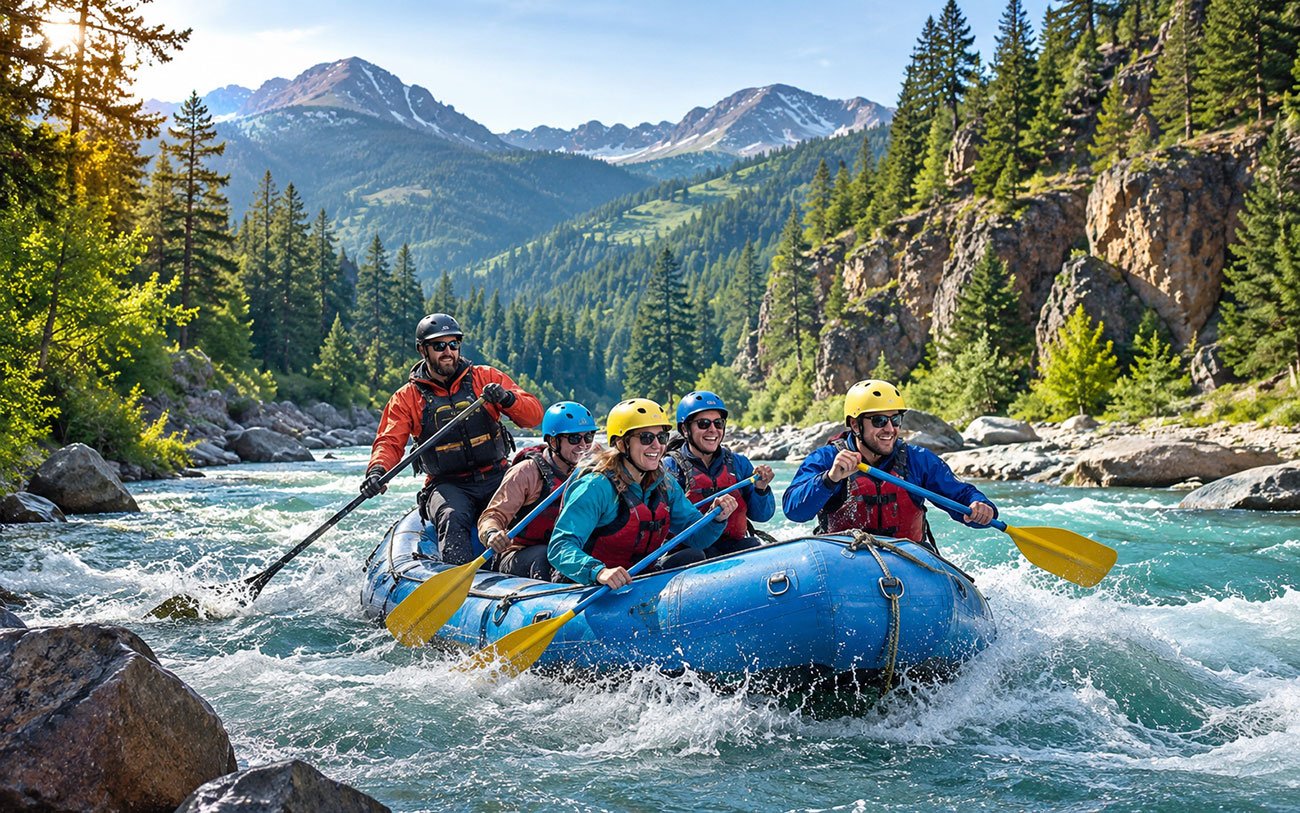
Whitewater rafting offers an exciting way to explore the outdoors during an adventure vacation in Colorado.
Adventure Vacations: Best Outdoor Activities, Destinations and Planning Tips
Adventure vacations offer a different way to explore the world. Instead of spending an entire holiday sightseeing or relaxing beside a pool, you can hike through mountains, paddle along rivers, explore forest canopies or learn an exciting outdoor skill.
The appeal goes beyond adrenaline. Some travelers want the excitement of whitewater rafting or rock climbing, while others prefer gentle nature walks, kayaking on calm water or cycling through beautiful countryside.
An adventure holiday can be challenging, comfortable, family-friendly or a combination of all three. What matters is choosing experiences that suit your interests, abilities and confidence.
From forest zipline tours to guided wilderness expeditions, there are outdoor adventures for almost every type of traveler. Here is how to choose the right activities, discover suitable destinations and plan a rewarding trip.
What Are Adventure Vacations?
Adventure vacations are holidays built around outdoor exploration, physical activities and experiences that bring travelers closer to nature.
They can also include opportunities to discover local cultures, learn practical skills and visit places beyond conventional tourist routes.
Unlike traditional sightseeing holidays, adventure trips often involve active participation. You might spend the morning kayaking, join a guided trek in the afternoon or explore a national park over several days.
However, an adventure vacation does not have to involve extreme sports.
Soft Adventure vs. Hard Adventure
Adventure travel is often divided into two broad categories.
Soft adventure involves relatively accessible outdoor experiences that generally require less technical skill.
Examples include:
- Guided nature walks and easy hiking trails
- Recreational cycling and e-bike tours
- Kayaking on suitable calm waters
- Wildlife watching and nature photography
- Introductory zipline and canopy tours
Hard adventure generally involves more demanding environments, specialist skills or greater physical challenges.
Examples include technical rock climbing, mountaineering, challenging whitewater rafting, advanced mountain biking and remote wilderness expeditions.
These descriptions are only broad guides. Even an activity considered relatively easy can become dangerous in poor weather or unsuitable conditions.
The right experience depends on your preparation, the environment and the quality of the guidance available.
Best Adventure Vacation Activities to Try
One of the advantages of adventure travel is the range of experiences available.
You can design an entire holiday around one favourite activity or combine several different outdoor pursuits.
1. Hiking and Trekking: Explore Nature on Foot
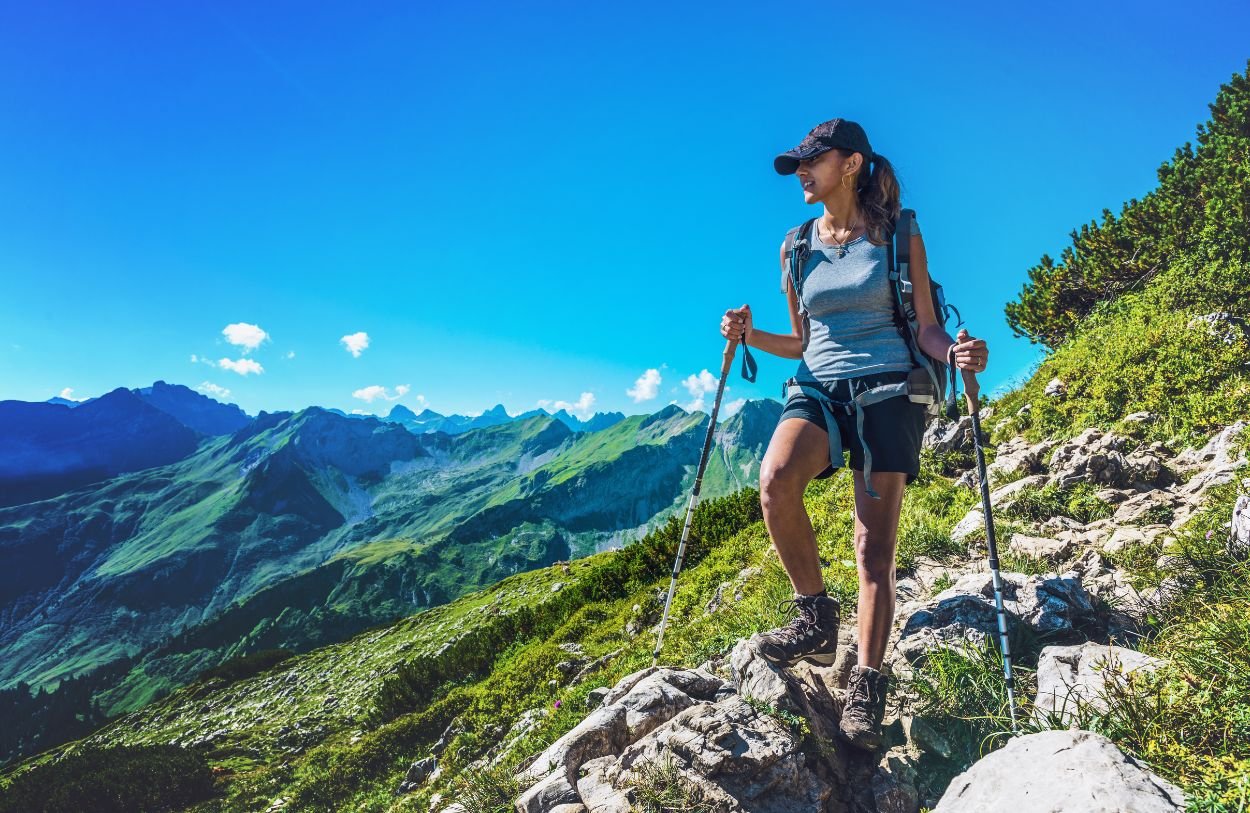
Hiking and trekking offer an exciting way to explore scenic mountain landscapes and enjoy an active outdoor adventure vacation.
Hiking is among the most accessible ways to enjoy an outdoor vacation.
It allows you to appreciate landscapes at a comfortable pace, from forest paths and coastal trails to mountain valleys and national parks.
For beginners, a guided nature walk or well-marked day hike can be an excellent introduction.
More experienced hikers may enjoy multi-day treks, carrying equipment between campsites or staying in mountain lodges along established routes.
The difficulty of a hike depends on more than its distance. Elevation, terrain, altitude, weather and the weight of your backpack can all affect the experience.
Before choosing a trail, check official route information and select a walk that matches your fitness.
Remote or high-altitude expeditions require additional preparation, and some routes are best undertaken with qualified local guides.
2. Ziplining and Canopy Tours: Discover the Forest from Above
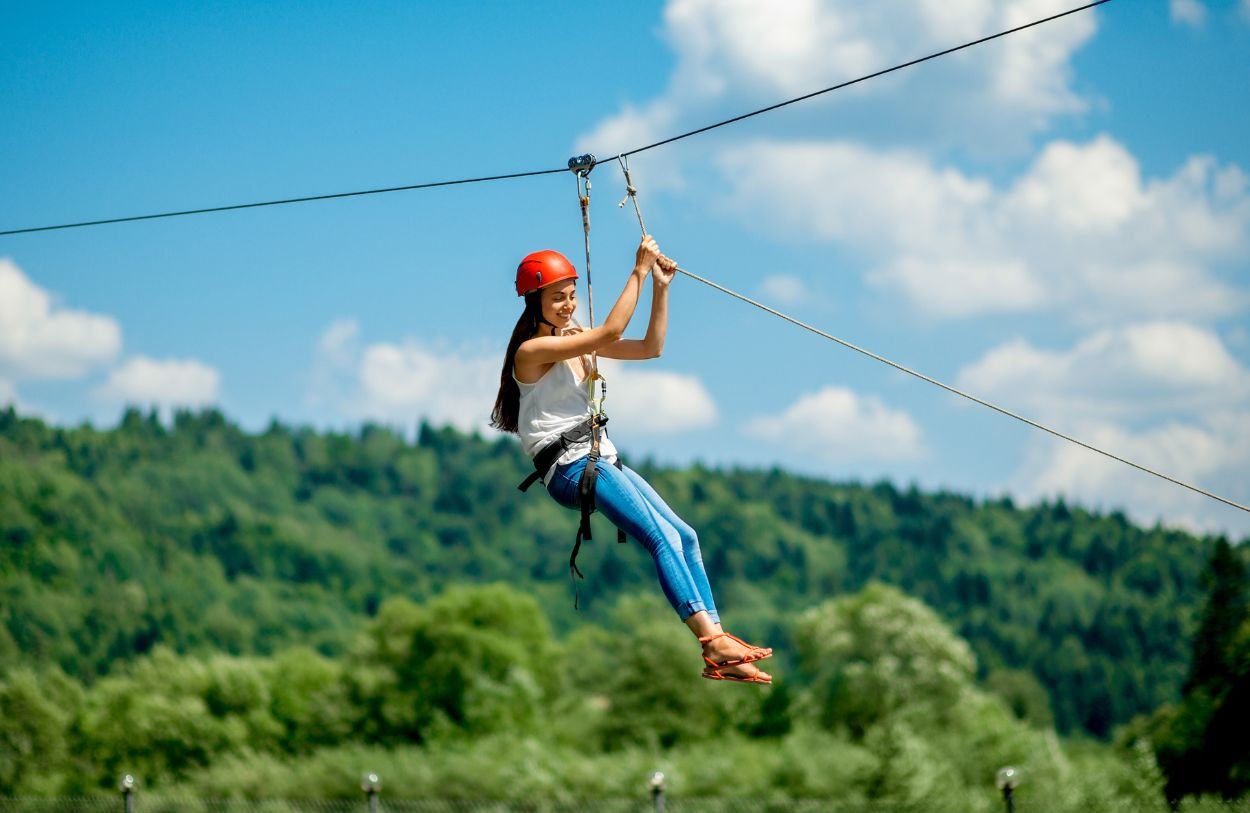
Ziplining and canopy tours offer an exciting way to experience outdoor adventure while enjoying beautiful forest scenery.
Ziplining offers an unusual perspective on forests, valleys and other natural landscapes.
Participants wear a harness connected to a cable system and travel between designated platforms under the supervision of trained staff.
Some tours feature relatively short, gentle rides, while others include longer, faster lines at considerable heights.
A canopy tour may combine ziplines with suspension bridges, elevated walkways or observation platforms.
These experiences are particularly associated with forest destinations such as Costa Rica, where visitors can explore the tropical canopy through organised adventure activities.
Before booking, check the operator’s safety arrangements, equipment inspection practices, participation requirements and any restrictions relating to age, weight or medical conditions.
Never assume that two zipline tours offer the same level of difficulty.
3. Whitewater Rafting: Experience the Excitement of Rivers
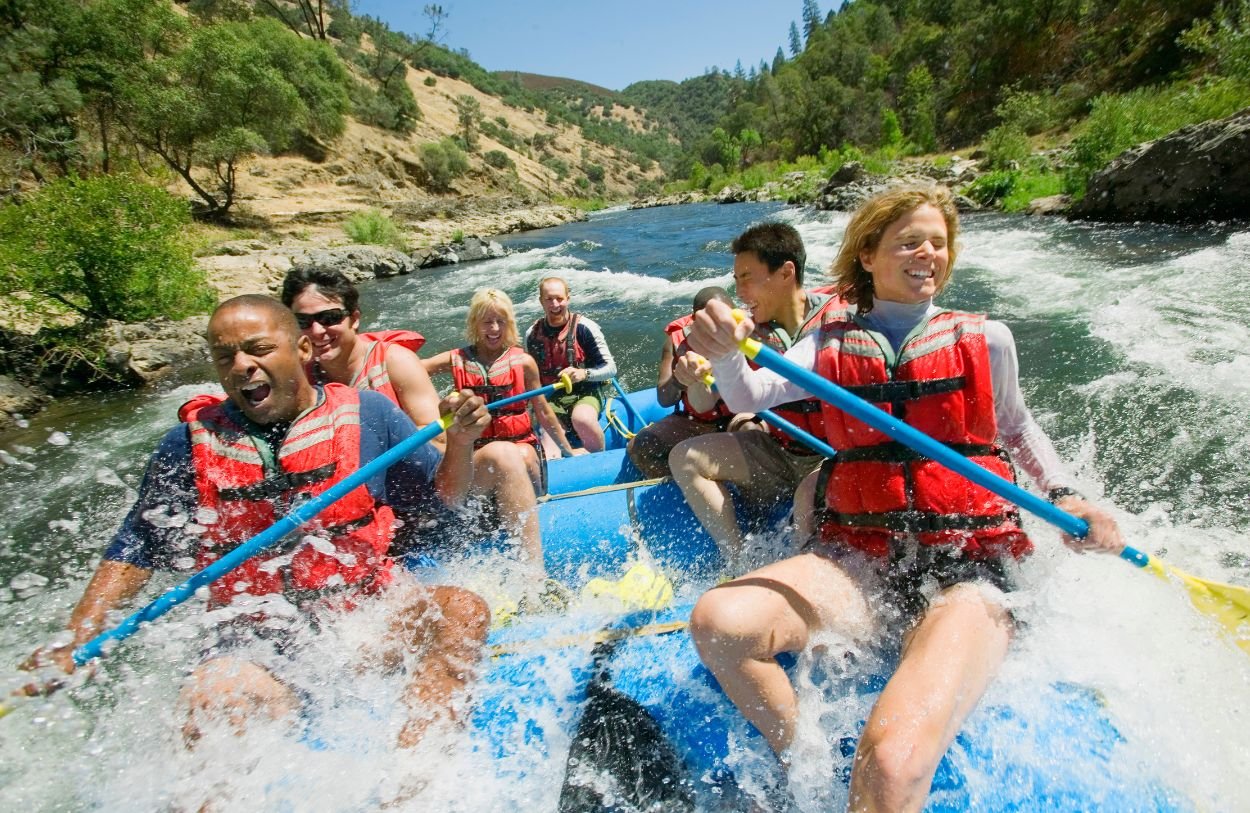
Whitewater rafting offers an exciting outdoor adventure as travelers navigate river rapids surrounded by beautiful natural scenery.
Whitewater rafting is an exciting option for travelers who enjoy water-based adventures.
Participants travel through a river in an inflatable raft, usually working together under the direction of a guide.
Some river sections are suitable for introductory guided experiences, while others involve powerful currents, significant obstacles and demanding conditions.
Whitewater difficulty is commonly described using a classification system ranging from Class I to Class VI.
Lower classes generally involve less demanding conditions, while higher classes require greater skill and carry more serious hazards. Actual difficulty can also change with water levels and weather.
First-time rafters should choose a trip designed specifically for beginners and confirm the operator’s requirements before booking.
A properly fitted life jacket is essential, and helmets are appropriate for whitewater activities according to the river and operator’s safety procedures.
Participants should also follow their guide’s instructions carefully, including emergency and swimming procedures.
Rafting offers an exhilarating experience, but it is not a risk-free activity.
4. Rock Climbing: Challenge Yourself Outdoors
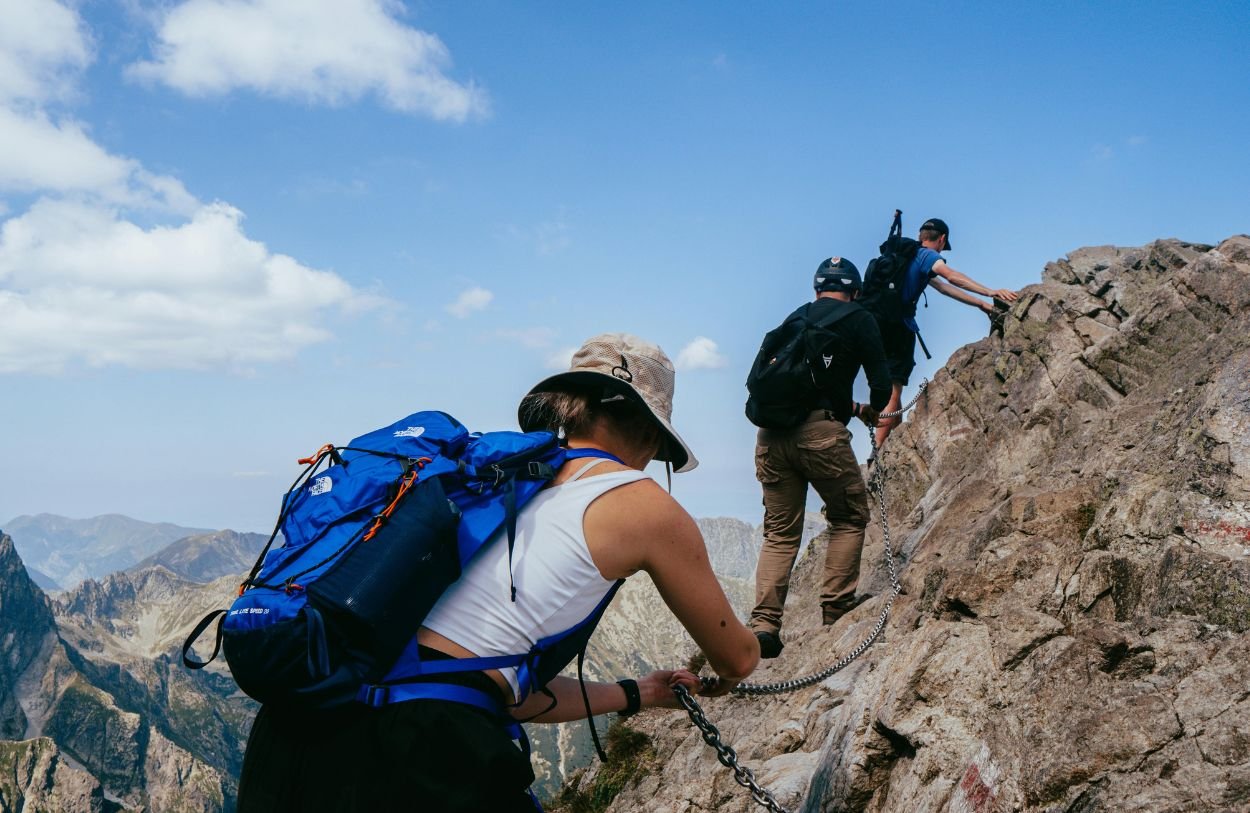
Adventure travelers navigate a challenging rocky mountain route using a fixed chain, enjoying spectacular mountain scenery along the way.
Rock climbing combines physical movement, concentration and problem-solving.
It can take place on indoor climbing walls, natural rock formations or established outdoor climbing routes.
Indoor climbing centres provide a useful introduction for beginners. They allow participants to learn climbing techniques and equipment procedures in a controlled environment.
Outdoor climbing introduces additional challenges, including variable rock conditions, weather and route finding.
If you have never climbed before, book an introductory session with a qualified instructor rather than attempting an unfamiliar outdoor route independently.
Instruction may cover climbing techniques, harnesses, ropes, belaying procedures and the correct use of equipment.
Rock climbing can be a rewarding part of an adventure holiday, particularly when you approach it as an opportunity to learn rather than a competition to reach the most difficult summit.
5. Mountain Biking and Cycling Holidays

Mountain biking and cycling offer an enjoyable way to explore scenic countryside trails while staying active during an adventure vacation.
Cycling allows travelers to explore landscapes while enjoying an active holiday.
Options range from leisurely routes through vineyards and countryside to technical mountain biking trails.
A gentle cycling tour might take you between villages, lakes or scenic viewpoints. More demanding routes can involve steep climbs, rocky surfaces and rapid descents.
Guided cycling holidays are particularly useful when you are unfamiliar with the destination.
Some operators provide bicycles, helmets, route guidance and luggage transfers, although inclusions vary.
E-bike tours can also make certain cycling routes more accessible, but riders still need suitable bike-handling skills and awareness of traffic and trail conditions.
Always choose a route appropriate to your experience and follow local cycling regulations.
6. Kayaking and Other Water Adventures
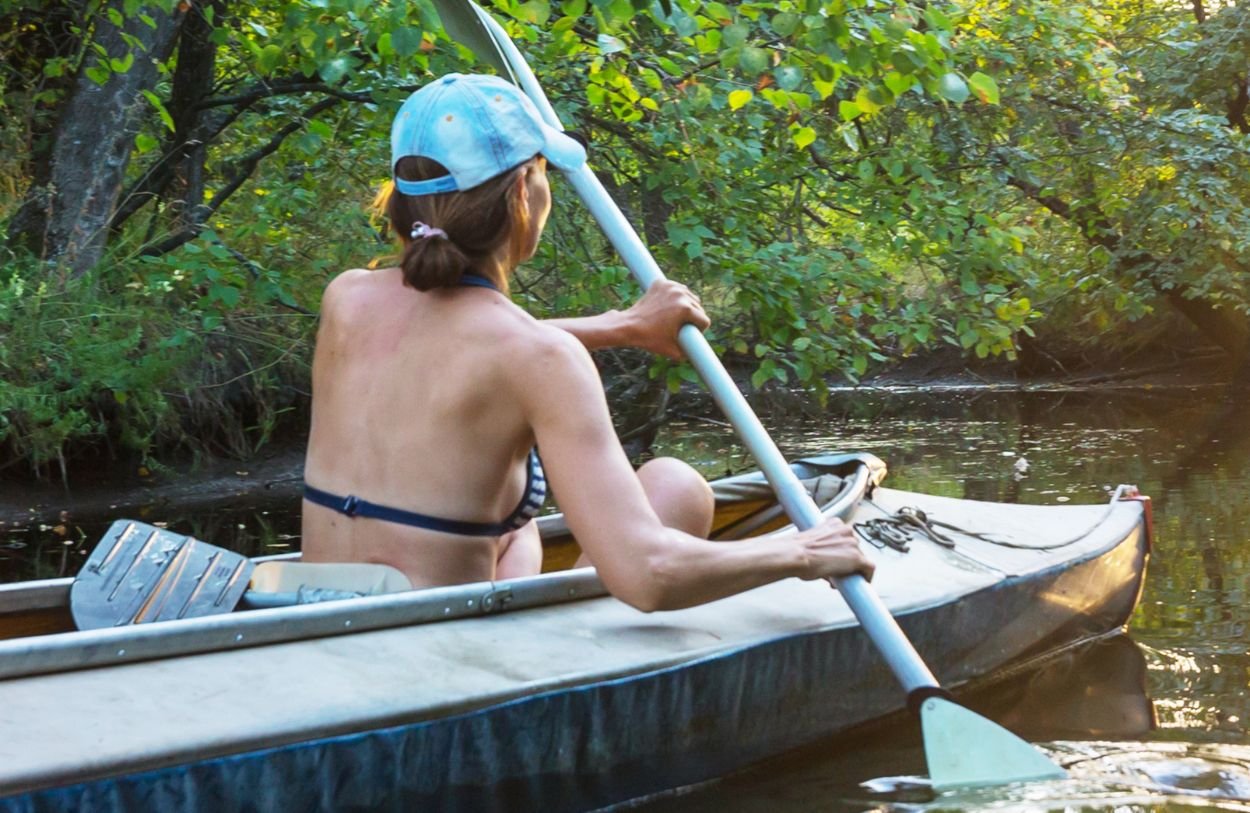
Kayaking offers a peaceful way to explore scenic waterways, enjoy nature and experience outdoor adventure.
Kayaking provides another way to explore rivers, lakes and coastlines.
On suitable calm waters, guided kayaking can be a gentle and enjoyable outdoor activity.
Sea kayaking and whitewater kayaking may demand considerably greater technical ability, navigation skills and knowledge of changing conditions.
Weather, currents, water temperature and tides can create hazards even when the water initially appears calm.
Beginners should choose guided trips with suitable safety equipment and instruction.
Depending on the destination, other options may include canoeing, stand-up paddleboarding or supervised snorkelling.
Water activities can add variety to an adventure vacation, especially when combined with hiking or cycling.
Best Destinations for Adventure Vacations
Different destinations offer different types of outdoor experiences.
Mountains are ideal for hiking and climbing, while forests, rivers and coastal regions create opportunities for ziplining, rafting and kayaking.
These destinations illustrate the variety available.
Costa Rica: Rainforest Adventures and Ziplining
Costa Rica is particularly appealing to travelers interested in tropical forests, wildlife and outdoor activities.
The country offers canopy tours, hanging bridges, ziplining, rafting, kayaking and hiking.
Its combination of natural landscapes and organised tourism experiences makes it attractive for travelers who want to explore rainforest environments without planning a remote expedition.
Visitors can choose between adventurous excursions and gentler nature-based activities.
When choosing a tour, check the operator’s credentials and the environmental practices used to protect sensitive habitats.
Rainfall and river conditions vary by region and season, so choose travel dates according to the activities you want to enjoy.
Queenstown, New Zealand: Mountains and Outdoor Thrills
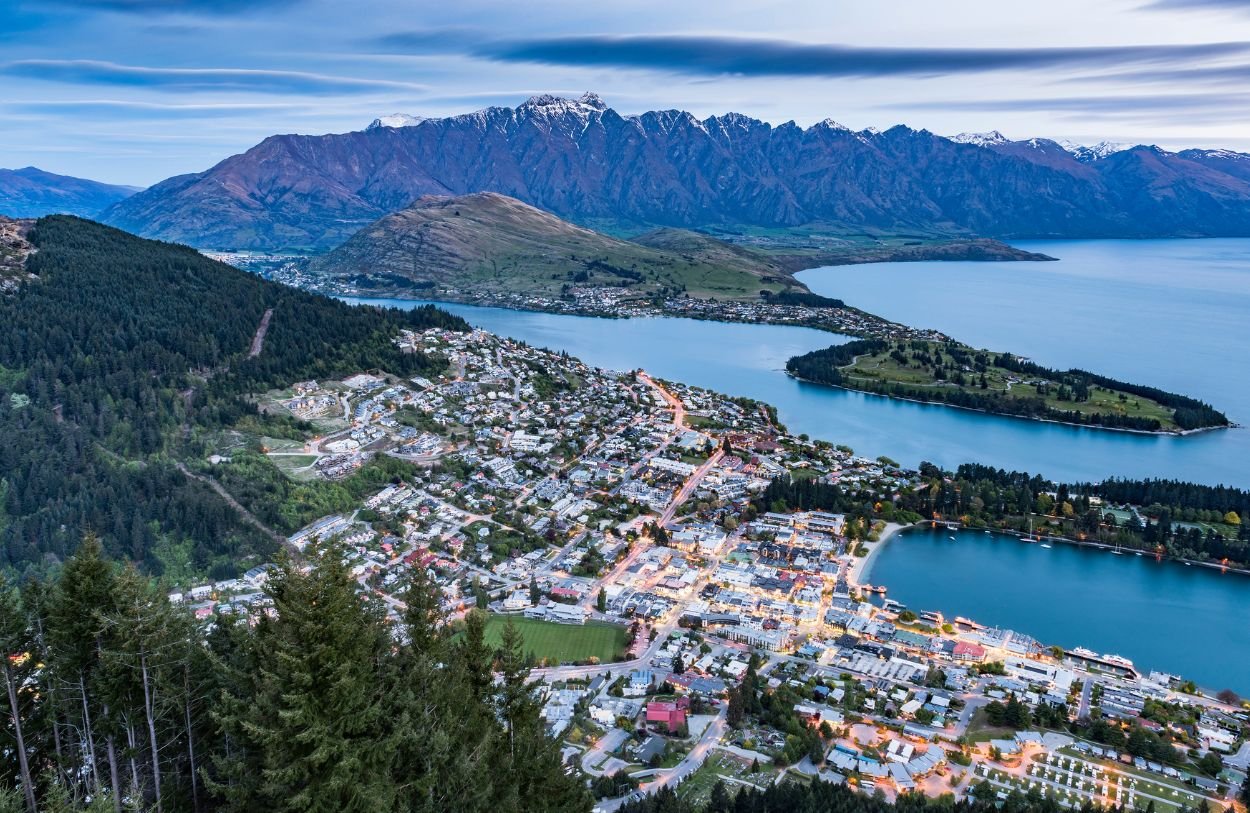
Queenstown, nestled beside Lake Wakatipu and surrounded by dramatic mountains, is one of New Zealand’s most popular destinations for outdoor adventures.
Queenstown is one of New Zealand‘s best-known adventure destinations.
Surrounded by mountains and lakes, it offers opportunities for hiking, mountain biking, whitewater rafting and a variety of high-adrenaline experiences.
Travelers can combine guided outdoor adventures with scenic walks and time exploring the surrounding countryside.
Some activities operate throughout the year, while others depend on seasonal conditions.
If you are interested in winter sports or mountain hiking, check local access information and weather forecasts before making arrangements.
Queenstown is particularly suited to visitors who want several different adventure experiences during one holiday.
Colorado, USA: Hiking, Rafting and Mountain Biking

Downtown Denver, Colorado, glows beneath a spectacular sunset, offering an urban gateway to outdoor adventures in the Rocky Mountains.
Colorado offers a wide selection of outdoor activities across the Rocky Mountains, forests, river valleys and canyon landscapes.
Visitors can enjoy hiking, mountain biking, climbing and guided rafting.
The state also has established outdoor recreation destinations where travelers can combine active days with accommodation in nearby towns.
Some locations offer introductory guided activities, while others are better suited to experienced outdoor enthusiasts.
Mountain weather can change quickly, and high elevations require additional consideration.
Check official recreation information, activity restrictions and seasonal conditions before planning a trip.
Banff National Park, Canada: Alpine Scenery and Hiking

The iconic Banff welcome sign greets visitors arriving in this beautiful Canadian Rockies destination, known for its mountain scenery and outdoor adventures.
Banff National Park in the Canadian Rockies is an attractive destination for visitors who want dramatic mountain scenery.
Its landscapes include lakes, forests, mountains and extensive hiking opportunities.
Travelers can choose shorter walks or more demanding hiking routes, depending on the season and their abilities.
Paddling opportunities are also available, subject to park regulations and water conditions.
Banff requires careful planning because wildlife precautions, trail closures, weather and seasonal restrictions can affect activities.
Visitors should consult Parks Canada for current information before travelling.
Soča Valley, Slovenia: Rivers, Mountains and Outdoor Sports
Slovenia’s Soča Valley is known for its beautiful river landscapes and opportunities for outdoor recreation.
The area attracts travelers interested in rafting, kayaking, canyoning, hiking and cycling.
The surrounding mountains also make it a scenic destination for exploring nature.
Some activities require specialist skills or experienced guides, particularly those involving moving water or steep terrain.
River conditions and seasonal operating arrangements vary, so check official local tourism information and activity-provider requirements before booking.
Adventure Resorts, Cabins and Outdoor Accommodation
An adventure vacation does not necessarily mean sleeping in a tent or giving up everyday comforts.
Accommodation options may include hotels, countryside lodges, cabins, campsites, mountain huts and purpose-built adventure resorts.
The right choice depends on how much independence and comfort you want.
Adventure Resorts
Some resorts organise outdoor activities alongside accommodation.
Depending on the property, guests may be able to book guided hikes, ziplining, kayaking or other experiences.
However, not every resort includes activities in the room price.
Check which experiences are included, which require separate payment and whether the resort uses external activity providers.
Cabins and Nature Lodges
Cabins and lodges can offer a quieter setting close to natural attractions.
They may appeal to travelers who want active days outdoors without staying in a busy resort.
Before booking, check transport connections, meal arrangements, heating or cooling facilities, internet availability and access to nearby activities.
Do not assume remote accommodation will have the same facilities as an urban hotel.
Camping and Wilderness Accommodation
Camping can bring travelers closer to natural landscapes.
Options range from established campsites with shared facilities to more basic backcountry camping.
Remote camping requires greater self-sufficiency, including appropriate equipment, food, water planning and knowledge of local regulations.
Some protected areas require camping permits or reservations.
Choose accommodation that fits your experience and the level of comfort you want after a physically active day.
How to Choose the Right Adventure Vacation
The best adventure holiday is not necessarily the most demanding one.
Consider your interests, experience and practical needs before choosing a destination.
Match Activities to Your Fitness and Experience
Be realistic about your abilities.
A traveler who enjoys occasional countryside walks may be comfortable with a guided day hike but unprepared for a demanding multi-day mountain expedition.
Similarly, a beginner rafting experience is very different from navigating challenging whitewater.
Read activity descriptions carefully and ask the operator about physical requirements.
For travelers with health concerns or significant medical conditions, it may be sensible to discuss demanding activities with an appropriate healthcare professional before departure.
Consider Who Is Travelling
Adventure vacations can suit solo travelers, couples, friends and families.
However, activities may have restrictions based on age, size, experience or physical ability.
Families should check whether an activity is suitable for every participant rather than assuming that a tour described as family-friendly has no limitations.
Mixed groups may benefit from choosing a destination offering several difficulty levels.
That allows some travelers to enjoy a relaxed nature walk while others join a more challenging excursion.
Decide Between Guided and Independent Travel
Guided adventures offer the benefit of local knowledge and organised activity arrangements.
They are particularly valuable for technical sports, unfamiliar terrain and remote environments.
Independent travel provides flexibility but requires more planning.
You may need to arrange transport, equipment, route navigation, permits and accommodation separately.
For beginners, a guided experience is often the more practical starting point.
How to Book Adventure Vacations Safely
Choosing a reputable operator is one of the most important parts of planning an adventure trip.
An attractive website or impressive photographs should not be your only reason for booking.
Before committing to a tour, consider the following questions:
- Experience: Does the operator have appropriate experience with the activity and destination?
- Qualifications: Are guides trained or certified where relevant, and does the operator meet applicable local requirements?
- Safety procedures: Are equipment checks, safety briefings and emergency arrangements clearly explained?
- Group size: How many participants will be supervised by each guide?
- Activity requirements: Are there restrictions relating to age, fitness, experience or medical conditions?
- Cancellation arrangements: What happens if weather or safety concerns prevent an activity from operating?
- Insurance: Is any insurance provided, and what does it actually cover?
For zipline and aerial adventure activities, ask whether the operator follows recognised industry standards applicable to its location.
For rafting, climbing and other technical activities, confirm that guides have suitable training for the specific conditions involved.
A responsible operator should be willing to explain the risks and requirements without making unrealistic safety guarantees.
How Much Do Adventure Vacations Cost?
Adventure vacation costs vary considerably depending on the destination, activity, duration and level of support.
A self-guided hiking holiday may require relatively modest spending on transport, accommodation and equipment.
At the other end of the scale, a guided expedition involving specialist instructors, remote transport and technical equipment can be substantially more expensive.
When comparing packages, examine the total cost rather than focusing only on the advertised price.
Important expenses may include:
- Accommodation and meals
- Guided activities and equipment rental
- Transfers between accommodation and activity locations
- National park fees and permits
- Travel insurance and specialist activity cover
- Personal equipment and suitable clothing
- Optional excursions and gratuities where applicable
Some packages combine accommodation and activities, while others charge separately for each excursion.
Always request a clear breakdown of inclusions and exclusions.
A less expensive package is not necessarily better value if essential equipment, transport or safety arrangements cost extra.
Essential Safety Tips for Outdoor Adventure Travel
Outdoor activities involve risks that vary with the environment and level of difficulty.
Good preparation can reduce avoidable problems, but no adventure activity can be guaranteed completely safe.
Check Weather and Local Conditions
Weather can affect hiking, climbing, rafting and zipline operations.
Heavy rainfall can alter river conditions, while storms, snow and strong winds may make trails or exposed locations dangerous.
Consult official weather services and follow the advice of local authorities and qualified guides.
Be prepared to postpone or cancel an activity when conditions are unsuitable.
Carry Appropriate Equipment
Your packing list should match the destination and activities.
For hiking, essential preparations may include navigation equipment, suitable clothing, water, food, a first-aid kit and emergency supplies.
Technical activities require specialist equipment appropriate to the sport.
Do not substitute ordinary recreational equipment for certified safety gear.
Understand Your Travel Insurance
Standard travel insurance does not always cover adventure sports.
Certain policies exclude activities such as mountaineering, technical climbing, whitewater rafting or skiing unless additional cover is purchased.
Check the exact activities, altitude or depth limits, medical expenses and emergency evacuation provisions.
Make sure the policy is suitable for your full itinerary.
Prepare for Remote Locations
Some outdoor destinations have limited mobile phone coverage and difficult emergency access.
Share your itinerary with a trusted contact, understand local emergency arrangements and avoid relying entirely on your phone.
High-altitude travel also requires particular care.
Physical fitness does not eliminate the risk of altitude illness. Allow time for acclimatisation where appropriate and seek specialist medical advice when necessary.
Respect Your Limits
You do not need to complete every planned activity.
Fatigue, poor weather, fear or unexpected physical difficulties are valid reasons to stop.
The purpose of an adventure holiday is to enjoy the experience, not to take unnecessary risks.
Responsible Adventure Travel: Protect the Places You Visit
Many adventure destinations contain fragile ecosystems and communities that depend on the surrounding environment.
Responsible tourism helps protect the landscapes that make outdoor travel worthwhile.
Follow the principles of Leave No Trace whenever appropriate.
Practical steps include staying on designated trails, disposing of waste properly, keeping a respectful distance from wildlife and following local regulations.
Choose operators that demonstrate responsible environmental practices.
Where possible, support local guides, accommodation providers and businesses.
Avoid activities that disturb wildlife or damage sensitive habitats.
Traveling responsibly also means recognising local cultures and respecting communities rather than treating every destination simply as an outdoor playground.
A Simple Three-Day Adventure Vacation Itinerary
A short adventure holiday can combine several activities without becoming exhausting.
The following example can be adapted to suitable destinations.
Day 1: Arrival and Gentle Outdoor Exploration
Arrive at your accommodation and become familiar with the area.
Choose a short nature walk or an easy guided activity rather than beginning with the most demanding excursion.
Check the next day’s weather, confirm your booking and prepare any necessary equipment.
Day 2: Main Adventure Experience
Plan your main outdoor activity, such as a guided rafting trip, zipline tour or suitable hiking route.
Allow enough time for transport, safety briefings and the activity itself.
Afterwards, leave the evening free for rest and a relaxed meal.
Day 3: Scenic Exploration and Departure
Choose a gentler experience such as a short hike, nature photography outing or easy cycling route.
This creates opportunities to enjoy the destination without adding another physically demanding day.
Keep enough flexibility for weather-related changes and transport connections.
A successful itinerary should give you memorable experiences without leaving you constantly rushing from one activity to another.
Frequently Asked Questions About Adventure Vacations
What Are the Best Adventure Vacations for Beginners?
Guided hiking, introductory cycling tours, calm-water kayaking and suitable canopy experiences can be good starting points.
The best activity depends on your comfort level, physical ability and the operator’s participation requirements.
Are Adventure Vacations Suitable for Families?
Yes. Many destinations offer family-oriented outdoor activities.
However, age limits, height or weight restrictions, supervision requirements and activity difficulty vary.
Check each experience individually before booking.
Do I Need to Be Very Fit for an Adventure Vacation?
Not necessarily.
Some adventure vacations involve gentle walking or introductory outdoor activities, while others require considerable stamina and technical skills.
Choose an itinerary that matches your current fitness and prepare in advance when necessary.
Can I Combine Adventure Activities with Relaxation?
Absolutely.
You can spend part of your holiday hiking, cycling or kayaking and reserve the remaining time for sightseeing, local food and relaxation.
A balanced itinerary often makes the experience more enjoyable.
Is Adventure Travel Expensive?
It depends on the trip.
Independent hiking and nature-based holidays may cost less than guided expeditions involving specialist equipment and remote transport.
Compare the full cost of accommodation, activities, permits, transport and insurance before booking.
What Is the Best Time of Year for an Adventure Vacation?
The ideal season depends on the destination and activity.
Mountain hiking, rafting, rainforest excursions and winter sports may each have different seasonal requirements.
Check official tourism information, weather patterns and local access conditions before selecting travel dates.
Find Your Own Kind of Adventure
Adventure vacations are not defined by how high you climb, how fast you travel or how much excitement you can tolerate.
For some travelers, the highlight is rafting through an impressive river landscape. For others, it is walking through a quiet forest, cycling between mountain villages or seeing a tropical rainforest from above.
The most rewarding trips combine outdoor experiences with sensible preparation, comfortable arrangements and respect for the places being explored.
Choose activities that genuinely interest you, travel with responsible operators and allow enough time to appreciate the destination.
The adventure does not need to be extreme to be memorable.
